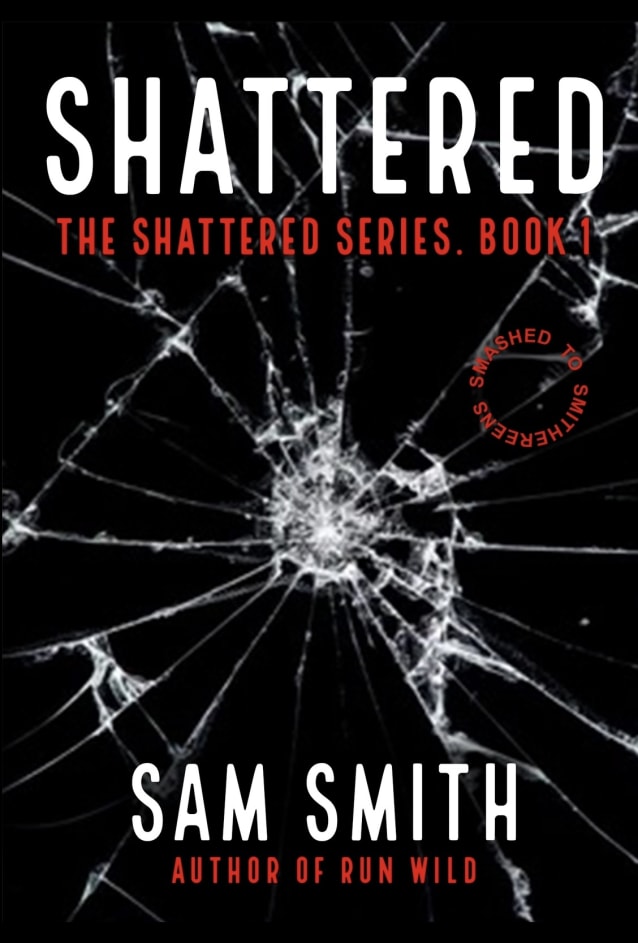
SHATTERED
About
IMAGINE THE WORST THING A HUSBAND CAN DO, THEN MULTIPLY IT.
When Susan meets Jay, she believes it's love and quickly settles into a union of marital bliss until warning signs start to occur in the form of nightmares that make her doubt her new marriage was fated. But try as she may, Susan cannot escape the wrath of Jay and needs family and friends to help her survive because if Jay has his way, she'll be six feet under before the ink dries on his status. According to Jay, marriage isn't forever, is it?
Praise for this book
The book is a good read. The chapters start with new people, which makes it easy to follow in such a long book. The characters are relatable and realistic. This is my favorite book by this author. I appreciated the first chapter of the second installment and can't wait to read the whole book, which I hope is soon. Thanks for an excellent book. Highly recommend this novel.
Initially published in 2008, and republished in 2024, Shattered left a lasting impression on me—largely because of how truly awful Jay is as a husband. Few characters have managed to inspire such consistent frustration. Jay’s selfishness, emotional negligence, and talent for making every situation about himself cast a long shadow over the entire story. Rather than being a flawed-but-redeemable partner, he repeatedly chooses control, indifference, and cowardice, making it impossible to excuse his behavior as mere misunderstanding or poor communication. His presence turns what could have been moments of tenderness or growth into exercises in endurance, and it’s hard not to read large portions of the book hoping someone—anyone—will finally call him out.
What makes Jay’s character especially infuriating is how realistically he’s written. He isn’t a cartoon villain; he’s the kind of husband whose quiet cruelty and chronic dismissiveness feel painfully familiar. That realism is a strength of the book, even when it makes the reading experience uncomfortable. You’re meant to see the damage he causes, not just to his marriage but to the emotional lives of everyone around him, and in that sense the author succeeds completely.
Despite (or perhaps because of) this frustration, the book is compelling, and it absolutely earns its place in discussion years later. Which is why I cannot wait to read the follow-up—now 18 years long overdue. After all this time, readers deserve to know what consequences, reckonings, or resolutions await these characters. If nothing else, we’re owed an answer to the question this book leaves hanging: does Jay ever get what’s coming to him?